Wine Pairing Tips for the Christmas Eve Feast of the Seven Fishes

Now that the Christmas shopping frenzy starts to settle down, it’s time to focus on the most important parts of the holiday season… family, food and wine! My family partakes in the Feast of the Seven Fishes dinner, and as of late we use a lot of different seafood styles throughout the meal. But that is the beauty of this fish feast… there are no steadfast rules of what you HAVE to cook which gives the chef a true sense of freedom and creativity. But it also makes pairing the right wines a little tricky.

To give exact wine pairings is difficult, as there are dozens of different ways to prepare each of type of seafood. It is more about the consistency and texture of the fish and the sauces. For example, an appetizer of raw oysters and clams will covet a far different wine than clams casino or fried oysters. Below are some easy and general wine pairings for various styles of seafood that you may serve for your seven fishes feast, along with some specific wine recommendations.

RAW/CHILLED SEAFOOD:

The general rule of thumb is the lighter the dish, the lighter the wine.  I like to go with Sancerre for this paring. The flinty minerality in these high acid, citrus fruit based wines seem to bring out all the lively flavors and freshness in any chilled seafood dish. Domaine Jean-Paul Balland wines offer a wonderful expression of Loire Sauvignon Blanc and at around $20 the base Sancerre is a great value. Pascal Jolivet is also a solid option and is usually under $20 a bottle. A dry, high acid Finger Lakes Riesling will also work with all those raw bar goodies.  Any of the selections from Herman J. Wiemer (particularly the Reserve Dry Riesling) are sure to please the palate. Pinot Grigio is a popular light white wine for this part of the meal, but quite frankly unless it is REALLY good, it’s a little too neutral. But if PG is your go to, try and grab one from the Collio region…Fiegl always produces a solid offering.

BAKED/FRIED SEAFOOD:

For dishes like baked cod or seared scallops, you still want to keep it light but with a bit more body than your typical PG or SB.  Chablis is a reliable option, as these unoaked wines made from Chardonnay have all the endearing qualities we love about Chard, but without the smoke and wood influence. Simmonet-Febvre is consistently excellent and options can run from $20-50 a bottle depending if it is an entry Chablis or one of the Premier Cru options like the Cru Vaillions. Albarino can also work out quite well here, as all that minerality and stone fruit balance against most baked seafood recipes. La Cana makes a super expressive Albarino wine, and a great value under $20.

Image result for seared scallops

If your fish is getting fried, you’re gonna have to step up to some bigger whites like those Burgundies or California Chards, and here is when you can start getting into the reds. The thicker and heavier the batter, the bolder you can go on the wine. Lighter Chianti Classicos and Pinots work for a delicate sautéed dish, and this Patz and Hall Sonoma Coast Pinot is one of my favorites at the $40 price point, but if you are going with the deep fryer don’t be afraid to pull out a Zin or Syrah, especially if you are cooking up something with a little spice in it. The Buehler Napa Zin is a fantastic option, not just for this meal but for ANY meal, and is a great value at around $25 a bottle.

SEAFOOD WITH PASTA:

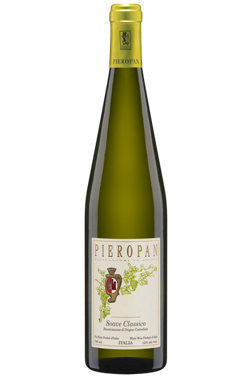
For openers, make sure you use the same color wine as you do for the sauce.    For 2015 Pieropan Soave Classico, Veneto, Italy (750ml)white sauces, like linguine with white clam sauce, you can still use the same PG or SB as you served for the raw/chilled seafood. But I like to step up the Italian white game for these dishes and go with a quality Soave (made from the Gargenega grape) or even a Fiano d’Avellino. Pieropan makes a phenomenal Soave called La Rocca, but it ain’t cheap at about $35-40.  Feudi di San Gregorio produces a lovely Fiano and is a screaming value for under $20.
Red sauce = red wine… preferably something  a little high on the acid scale. Tomato sauce is high in acid so you want a wine that can match up to it allowing the food and wine Image result for shrimp calamari fra diavolochoice to complement one another. My mom makes a mean shrimp and calamari fra diavolo which is always a Christmas tradition for our feast. I love to pair this up with a quality Barolo or Chianti Classico Riserva. Monsanto CCR for around $20-25 is pretty tough to beat, but the Marchese Antinori CCR for around $50 may be my all-time favorite. As far as Barolo, the Damilano Barolo is a consistently solid option, and for under $50 is about a good a deal you can get in the Barolo world.

HEARTY SEAFOOD:

This is also a sauce driven pairing in terms white or red wine, but because lobster, king crab, swordfish, etc. can be quite meaty and weighted you can go red for both sauce options. This is about the only time I prefer an oaky, buttery Chard when it is paired broiled lobster and a white wine/butter based sauce. But it can’t be over the top in terms of oak aging (as many of the Cali Chards can be) as the acidity and fruit have to stay in balance. Fox Run in the Finger Lakes makes a stellar Reserve Chard for under $20, and I simply love the Domaine Ferret Pouilly Fuisse. It may carry a somewhat hefty price tag, but is one of the purest expressions of Chardonnay you will find.

If your seafood finds itself  in a sea of marina sauce, you can stick with the same red options from the pasta course. However, if you are planning to open up some big dog reds for Christmas Eve, this is the time to do it. A Super Tuscan (such as the Crognolo) or Brunello  di Montalcino would be the most traditional pairings, but if you have been dying to break open one of your aged Bordeaux or Napa gems, this is the time to do it. The Cantina di Montalcino is easily the best Brunello value on the market for $35 a bottle, and if you are digging for a hefty Napa Red, the Olivia Edmond Napa Cab is a wonderful option here. Big, classic Napa fruit (driven by red cherry, strawberry and cassis) along with a lifted acidity and super polished tannins  make it an ideal food wine.

Whatever you do… make sure to open something special in the good company of family and friends this Christmas, as that is always the BEST pairing of the season.

How to Select the Right Wine Glass

As featured on Wine Enthusiast  How To Select the Right Wine Glass

There are just as many wine glasses shapes out there as there are wines. Here are some hints on how to select the right glass to enhance your pour.

Getty


Over the last decade or so, an abundance of wine glass shapes have hit the scene that range from basic and inexpensive to elaborate and exorbitant. While there are still variety-specific options for stemware (Cabernet Sauvignon/BordeauxPinot Noir/BurgundyChardonnay, etc.), universal glasses seek to become the perfect choice for every wine style.

Size Matters

Whether your wine is red, white, rosé, sparkling or fortified, aromas play a pivotal role in its overall character. The smaller the bowl, the harder it is for all of those aromas to escape. Larger bowls allow for more oxygen to come in contact with the wine. They also lend themselves towards an easier swirl, which not only looks cool, when executed properly, will aerate the wine and help it open up.

Variety Specific vs. Simple Red or White

Over the last century, glasses have been designed for just about every major grape variety. Each wine style has specific characters in terms of acidity, fruit expression, tannin and alcohol, and the different glass shapes intensify or mellow those attributes. If your goal is to build a stellar collection, this is a fun route to travel. However, you can stick with a standard Cabernet, or red, wine glass for all red wines, and a Chardonnay glass for white wines, and not lose out on the intricacies of the wine. If you seek variety-specific glasses, here’s the nitty gritty for those stems.

image of eight different wine glass shapes
Illustration by Julia Lea

Cabernet Sauvignon/Bordeaux

Your traditional red wine glass. Cabs and Bordeaux tend to be high in alcohol and tannin. A larger bowl with more height creates more distance between the wine and the drinker, causing ethanol to dissipate on the nose and allowing more oxygen to encourage tannins to soften.

Syrah/Shiraz

Slightly taller than the Cab glass and with a slight taper at the top, this glass is designed to focus the fruit and allow plenty of aeration to mellow tannins in these massive red wines.

Pinot Noir/Burgundy

The extremely wide bowl and tapered rim allows plenty of aeration, concentrates delicate aromas and showcases the bright, rich fruit.

Chardonnay/Viognier

Your traditional white wine glass. It’s meant for young, fresh wines, as the slightly narrow rim concentrates the nose of highly aromatic white wines. The smaller bowl size also keeps white wine colder than the large bowls used for reds.

White Burgundy

Similar in shape to the Pinot Noir glass just smaller in scale, the wide bowl and narrow rim concentrates aromas and achieves maximum aeration on creamy white wines to reveal subtle complexities and offset rich fruit concentration. This glass is often confused with the Chardonnay glass.

Sparkling

The Champagne flute is all about the bubbles. It keeps the fruit and potential yeasty aromas focused with its narrow design, but also allows the effervescence to remain fresh and flow longer.

Fortified

These wines are higher in alcohol than still bottlings. A smaller bowl reduces alcohol evaporation and highlights their rich fruit and complex aromas.

Wine glasses on an orange background
Getty

Stemless vs. Stems

While stemless glasses can be excellent options for everyday enjoyment, they may not be the best option for sipping higher-quality wines. They force users to grasp its bowl, rather than a stem or base, causing the wine’s temperature to rise due to heat from the hand. It’s not a huge disaster for reds, but can be for white wines. Fingerprints and smudge marks are also inevitable with stemless glassware.

Thin is In

The latest trend in stemware is a super-light, thin stem and lip of the glass. These elegant collections, like Zalto and Zenology, can feel like you’re barely holding a glass at all. Tasting rooms and top wine restaurants offer their finest wines in this style of glassware. However, they are as delicate as they are refined. If broken wine glasses are an epidemic in your home, you may need something a little more substantial, like Riedel or Fusion.

Ditch the Flute

Sparkling wine, particularly Prosecco, is now consumed more than ever. But wine lovers enjoy the aromas that pop out of the glass, which can be muted with the traditional, narrow Champagne flute. Though to toast with a flute is always popular, a white wine or universal glass is often the better option. If you search for a happy middle ground, a coupe or tulip-shaped Champagne glass allows bubbles to flow a bit longer than the typical wine glass, which enable more of the intense aromas to shine.

One Glass For All

If you don’t want to choose which glass goes with which wine, then the universal glass is the way to go. Sized somewhere in between a Chardonnay and a smaller red glass, it’s the most versatile option to enjoy all of your favorite wines, including sparkling! Growing in popularity, just about every glass collection offers a universal option.

Published on October 30, 2018
About the Author
MARSHALL TILDEN III

From his first sips of wicker basket Chianti at his grandfather’s dinner table to a 1986 Premier Cru Gevrey-Chambertin, Tilden knew that there was something magical about wine. He earned his Diploma in Wine and Spirits from the Wine & Spirit Education Trust and is a Certified Specialist of Wine with the Society of Wine Educators. Having been with Wine Enthusiast catalog since 2005, when he is not writing about wine he also runs the wine storage division and is head of W.E.’s in-house education program.

No Way, Rosé… but YES to Summer Reds!

Summer Reds for When You’re Sick of Rosé 

Warm weather doesn’t mean red wine has to go into hiding. We’ve compiled five styles of summer reds perfect with a bit of chill and an afternoon by the grill, for the next time you want to say “No way, rosé.”

Getty

While there’s nothing like rosé in the summer, if you’re outside enjoying wine on a warm evening, chances are there’s a grill a stone’s throw away. Hearty summer barbecue fare may mean it’s time to put down the pink and pick up a wine with a little more body, fruit and tannins. For your next picnic or cookout, shake things up with a slightly chilled, lighter style red.

Here are five styles of red wine perfect for when the grill starts to heat up, and top value selections for each.

Oregon Pinot Noir

Crafted in more of a Burgundian style than its neighboring California cohorts, these wines can be somewhat rustic and earthy, loaded with Bing cherry and cranberry. Their high acidity and complex structure make them enjoyable to pair with all sorts of seafood and lighter fare. With an overall cool and somewhat damp climate, Oregon can have notable vintage variation so be sure to check our WE vintage chartfor the best years.

Recommended Wine

Le Cadeau 2016 Diversité Pinot Noir (Willamette Valley); $50, 93 points. This multi-clonal selection is lushly endowed with a bright mix of red fruit, recalling cranberry, pomegranate, raspberry and cherry. It’s annotated with orange peel highlights and orange blossom scents. The detail and subtlety are impressive. Editors’ Choice. —Paul Gregutt

Finger Lakes Blaufränkisch

If Finger Lake reds haven’t been on your radar, now is the time. While the Rieslingand Chardonnay get most of the attention, this northern New York region produces high quality red varietal wines as well. While Cabernet Franc and Pinot Noir are more common, Blaufränkisch is the unsung hero of the group. Exuding black fruits, earthy minerality and pleasant herbal notes, these wines are ideal for summer sipping.

Recommended Wine

Dr. Konstantin Frank 2016 Blaufränkisch (Finger Lakes); $22, 88 points. Sour cherry, bramble berry and a bit of pepper carry the nose of this wine. The medium-bodied palate is soft in feel, with juicy red cherry and strawberry flavors that meld with a floral lilt. This is enjoyable for its immediate easydrinking appeal. —Alexander Peartree

Cru Beaujolais

No, not Beaujolais Nouveau, which certainly has its time and place. Cru Beaujolais is arguably the finest expression of Gamay in the world. The carbonic maceration—fermenting whole cluster grapes before crush—leads to a lighter, fruit-driven, lower-tannin style of wine. When crafted from grapes in top regions such as Moulin-à-Vent, Brouilly, Morgon and Fleurie, you will find some of the most interesting wines in all of France.

Recommended Wine

Domaine des Marrans 2016 Fleurie; $21, 91 points. This is a ripe and juicy wine. Tannins support the generous layers of red-berry and cherry fruits and acidity. The wine has a succulent quality, spicy and fruity at the end. Drink from mid-2018. —Roger Voss

Puglia Primitivo

While you may know it as Zinfandel, Primitivo is one of the most popular varieties of the southern Italian region of Puglia. While value California Zins tend to be a bit bulky, Primitivo lean towards wild berry and black pepper notes with earthy and floral tones backed by vibrant acidity. These well-structured wines make a perfect pair for spicy barbecue ribs straight off the grill.

Recommended Wine

A Mano 2015 Imprint Primitivo (Puglia); $15, 88 points. There’s a surprising intensity to the aromas of fresh blackberries, turned earth and violets. The palate mirrors the nose in a package of grippy tannins and crisp acidity. While enjoyably straightforward in nature, the concentration is rather light, so enjoy for its immediate appeal. —A.P.

Austrian Zweigelt

These sassy, zippy wines are brimming with delightful red cherry and red berry flavors backed by white pepper spice. Zweigelt’s high acidity helps create a wine ideal for chilling at your next summer soirée. The cool climate of many Austrian wine regions keeps these wines light and fun with immediate appeal.

Recommended Wine

Artner 2016 Klassik Zweigelt (Carnuntum); $14, 91 points.Aromatic pure cherry sends a message of pleasure and poise. This well-defined, precise and utterly fresh fruit blazes across the slender but dense palate that is outlined by freshness and verve. Purity is its virtue. Pleasure, seemingly, is its sole purpose. What a lovely, fresh and vivid wine. Best Buy. —Anne Krebiehl

Sometimes the Answers ARE at the Bottom of the Bottle…

‘Long Finish’ As featured in Wine Enthusiast

A bottle of wine can open up communication and evoke emotion like nothing else in the world.

There are few things as dynamic, engaging and provocative as a bottle of wine. Contained in that bottle are the blood, sweat and tears of the hundreds of people involved in its production. The fact that it ages and has its own life cycle sets it apart from just about any other beverage. But it’s what can occur between individuals who share a special bottle that makes it so intriguing.

Related image

Just to be clear, I’m not advocating overindulgence. However, it sometimes takes more than just a sip, or even a glass, to open the doors of communication and set the human spirit free. Often, the last sip of wine is the best. It can take some time for a wine to open up and reach its full potential. But when you sit with a friend or family member and look forward to an in-depth conversation about life, the improvement and evolution of that wine is part of the overall enjoyment.

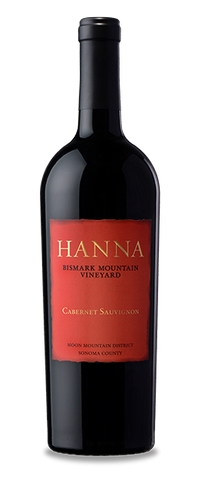
2015 Bismark Cabernet Sauvignon 750ml

My parents were over for dinner last year, and I opened a bottle of Hanna 2013 Bismark Mountain Vineyard Cabernet Sauvignon. It was young and opulent upon opening, but my dad and I agreed it was going to improve dramatically in just a short while. So as we sipped, we talked.


We talked about the wine, of course. But we also discussed the amazing playoff run the Yankees were on, and how the team compared to those of the late 1970s that we loved so dearly. We talked about how, a few years back, he had lost his passion for oil painting, but he had just started his first new painting in ages. And as we sipped, not only did the wine improve, but so did the content of our conversation.

As we enjoyed our last glass, my daughter came flying into the room to give him a big ol’ Grandpa hug. Filled with emotion, he wanted to make sure I knew that my daughter, his only granddaughter, had filled the void left when he and my mom lost their first child and only daughter shortly after her first birthday.

Of course, having my brother and I soon after that traumatic event certainly helped. But never having a little girl around had apparently left a vacancy in his heart and soul that was never fully repaired until now. And as we discussed this truly heartfelt and intimate revelation, we realized that the bottle was finished.

As anticipated, the last sip was indeed the best.

‘Long Finish’ As featured in Wine Enthusiast

How to Taste Wine Like a Pro

Ever feel like the pros at wine tastings are speaking their own secret language? In a way, they are. Learn the ins and outs of “tasting grids,” which set the standard for how we evaluate wines and the words we use to talk about them.

Getty

Ever wonder how the pros tackle a wine tasting?

Whether it’s the Wine & Spirit Education Trust’s (WSET) Systematic Approach to Tasting, the Court of Master Sommeliers’ Deductive Tasting Format or any other wine education system, most have a common element: The tasting grid.

The tasting grid provides a guide for an objective description of a wine’s character and quality. While there are differences between various grids, they allow the taster to gauge a wine based on appearance, nose and palate, which leads to an unbiased conclusion of quality, age and development.

So how do wine tasting grids work, and what should you do when you approach a new pour?

Lineup of red wine glasses
Getty

Judging appearance

The first step is to look at the wine against a white backdrop, like a blank piece of paper. This ensures that wines are not distorted by external colors.

In addition to the color, there are various levels of intensity to gauge. White wines gain color as they age, ranging from lemon and gold to dark caramel. By contrast, reds lose color and intensity with age, as they progress from purple to ruby to deep tawny. So while a typical aged Barolo might be described as pale or medium garnet (a hue between ruby and tawny), a young Australian Shiraz may lean toward deep purple or ruby.

Approaching the nose

Here’s where it starts to get fun. First, you swirl. Swirling allows for increased oxygenation, which can bring out more complex secondary aromas.

The first assessment is to determine if the wine is clean or faulty. Faults can include excess levels of brettanomyces, cork taint, volatile acidity or oxidization. Once you’ve determined a wine is free of faults, the next step is to gauge intensity.

Intensity is usually measured on a scale of low, medium or high. If you can smell a wine from a few inches away, it’s generally regarded as high intensity. If you must put your nose slightly inside the glass, that would equate to a medium intensity. Medium-minus and medium-plus cover the ranges in-between. If you can detect the wine’s aroma with the glass just below your nose, it might be considered medium-plus.

Aroma characteristics are where much obscure wine-geek jargon originates. Aromas of pencil shavings, cat pee, rubber hose or wet dog? The tasting grid tries to eliminate these subjective and eccentric descriptors with specific, standardized terms for each aroma cluster.

Wine tasting notes
Getty

Evaluating the palate

The description of the palate, or what you taste, is by far the most in-depth category. A complete tasting note would include levels of sweetness, acid, tannin, alcohol, body and intensity. Once again, these are all graded at low, medium and high levels, with plus or minus used as modifiers for the medium range. Flavor characteristics and finish are factored in as well.

With flavor, the wine is to be described in terms of primary attributes like fruit, floral, herbal or spice. Secondary characteristics include oak, earth, and flavors that result from production techniques like malolactic fermentation and lees contact. Tertiary factors can be bottle age, oxidation and long-term fruit development. Just as with the aroma descriptions, fruit should be organized in clusters.

For example, a young Napa Cab could boast black fruit flavors (black cherry, blackcurrant), where a Sonoma Coast Pinot would more likely exude red fruit character (red cherry, strawberry and raspberry).

Once you’ve nailed down the flavor profile, determining the length of the finish and the wine’s overall complexity is the final step.

Drawing conclusions

For the Court of Master Sommeliers’ grid, there are two conclusions to be drawn. The initial conclusion is to deem a wine as Old World or New World, examining the type of climate, possible grape varieties and country of origin. This gives way to a final assessment of vintage, grape, country, region and designation.

The WSET conclusion starts with an assessment of quality and readiness to drink. That leads to a similar final assessment of grape variety and origin, but also includes style and method of production.

While some variance exists between programs, the premise remains the same for any tasting grid. Dissecting a wine using a formal system based on sight, smell, taste and feel can be equal parts art and science, but the first time you’re able to guess a vintage or variety at a blind tasting accurately, the payoff is worth it.

Check out these samples of the WSET and Court of Master Sommeliers tasting grids, and see if you can taste like a pro at home.

7 Wine Storage Tips to Keep You and Your Bottles Happy

Check out my latest for Wine Enthusiast… a few tips to help ensure your bottles are as enjoyable as they should be when the occasion arises to crack one open!

7 Wine Storage Tips to Keep You and Your Bottles Happy

Thanksgiving Wine and Turkey Pairing Recs

You may want to sit down for this: Thanksgiving is a mere week away! How crazy is that?! But ready or not, here it comes. Which means that both your menu and wine lineup need to start rapidly coming together. Even if you are not hosting (which makes life that much easier) you can still have a huge impact on the meal by bringing the right wines for your family and friends to enjoy. I mean, who doesn’t love the guy who rolls in with a few bottles of great juice?! Which then begs the question… what are the right wines to pair with a traditional Thanksgiving meal?

The great thing about a roasted turkey and all the trimmins is that there are a ton of wines that will pair well with the meal. It just depends on what style of wine you crew prefer. The one possible wine component you may want to try and avoid are very high tannins. Turkey doesn’t have the fat content of red meat, which typically will bind with those tannins. Instead, the tannins can take center stage rendering the turkey and stuffing as bland as opposed to full of flavor.  So while just about any wine will work, here are some options that may complement your meal better than others.

The classic white wine pairing with turkey is Riesling. The low alcohol and high acid can be a refreshing complement to the inherent richness of the meal. I prefer to stick with the drier style (Kabinett) as opposed to those that have a sweeter profile (Spatlese). The Willim Alsace Riesling is one of my favorite options for around $15 and for a real value the Chateau Ste. Michelle Riesling is consistently solid and goes for under $10 at most retailers.

If you like your whites a little bigger and bolder then a buttery, oaky Chardonnay or Burgundy may be the way to go. Although be careful of the super oaked options, as those woody tannins can stifle the richness of the bird. My favorites from CA right now are from Gary Farrell and Stonestreet (both around $30-35), but I’ve been on a real Chablis kick these days. The searing acidity on those wines will certainly complement your properly roasted bird. On the value side try the Joel Gott Chard from CA or the Fox Run from the Finger Lakes. Both are unoaked clean, vibrant and delightfully refreshing options for around $15.

Traditionally the most commonly recommended red wines to pair with turkey are Pinot Noir, Zinfandel and Rhone Blends. Pinot is arguably the best option as the higher acid levels, vibrant fruit and peppery spice really bring out the best in just about any poultry dish. The problem in my family is that no one drinks Pinot. Almost everyone at that table prefers their wines big and opulent and tend to reach for a massive Napa Cab over an elegant red Burgundy. But I plan to enjoy my deep fried turkey with a healthy glass or two of the Davis Bynum 2014 RRV Pinot, even if I’m the only one at the table that does.

So the pairing that usually works best for my crew is a hearty Cali Zinfandel or Red Blend.  They tend to have loads of big, dark and spicy fruit but a little lighter body and softer tannins than Cab. Seghesio produces high quality Zins across their entire portfolio, and if you want to go for a mouth filling red blend than grab The Prisoner, as that is always a crowd pleaser.  This year I’m going with the Method North Coast Proprietary Red. This hearty blend of Syrah, Zin and Petite Sirah is balanced and layered with flavors of red and black cherry, blueberry, vanilla, ground espresso and brown sugar… a perfect partner for your perfectly prepared Thanksgiving bird.

Wines from Southern Rhone typically consist of Grenache, Syrah and Mouvedre with Grenache usually taking center stage. Grenache leans on the lighter side in terms of body with good acid, spicy berry fruit and plush tannins. Blend in some meaty Syrah and a dollup of dark Mouvedre and you have an ideal blend for your Thanksgiving table. Cotes du Rhone Villages wines offer a step up in quality (usually) over a standard Cotes du Rhone, and still can be found for less than $20.  However they have a hard time standing up to those bigger and more complex Chateauneuf du Pape and Gigondas wines, which is why those are just about impossible to find for under $40. Some value producers include Barville, Santa Duc, Chapoutier and Louis Bernard. But if you are from the ‘Go Big or Go Home’ mentality then you can’t go wrong with any of the big dogs such as Domaine de Pegau, Vieux Telegraphe, Chateau de Beaucastel or Saint Cosme. Just be sure to give those bigger wines some oxygen before you start digging into them, or they may come off a little tight and inexpressive.

15 Wines Under $15 Bucks!

Let’s be honest, it’s pretty easy to go out and spend $40 -$50 on a bottle of wine and  feel confident that you are getting something that should be pretty damn tasty. I say ‘should be’ because believe it or not, there are plenty of disappointing wines at that price point. But more often than not, a wine of that price should possess some sort of quality in terms of region, grape selection, production and aging. But what is much harder is to find those $10-15 bottles that taste like something 2-3X the price… but they are out there my friends. Sometimes you have to stomach through a bunch of swill to find those great values, but like anything in life it takes a bit of determination and hard work to discover those hidden gems.

graphic courtesy of foodandwineblog.com

Check out this list of 15 wines, in no particular order, which have a tremendous QPR (Quality Price Ratio) and will run under $15. I am not including vintages as these wines are consistently solid just about every year and possess similar flavor profiles regardless of vintage (for the most part)… Cheers!

White/Rosé

Belle Ambiance Pinot Grigio, CA – This is like the house white wine for my block. A PG with some body to match up to the acidity, with pretty floral notes surrounding the citrus fruit center.

Fox Run Dry Riesling, FLX – Keep it local with one of my favorite Finger Lakes value wines.  A little like Sprite on the palate (lemon/lime with just a quick hit of pettilance) with fresh grapefruit and searing acidity, a home run pairing for any kind of chilled shellfish.


Image result for Louis Jadot Chardonnay Bourgogne Blanc

Louis Jadot Chardonnay Bourgogne Blanc – Classic Burgundy entry level Chardonnay with a concise balance of crisp apple and pear fruit, bright acidity and just a hint of that  buttery character.


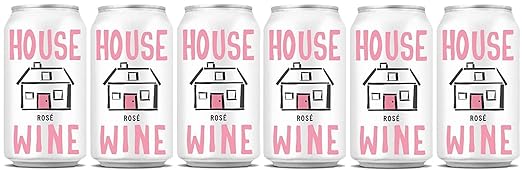
NV House Wine Rosé Can – Good wine is coming in all shapes and sizes these days, so don’t let the can scare you! This is a great summer sipper, porch pounder…whatever you want to call it. Fresh and bright strawberry fruit with an appealing rose petal note.  

NV House Wine Rosé Can, 6Pk, 6 x 375 mL

RedImage result for vidal Fleury Cotes du Rhone

Vidal Fleury Cotes du RhoneOne of the biggest and most expressive CDRs at this price point. Concentrated red and black cherry fruit, peppery spice and mineral notes are all in balance as is the bright acidity and firm tannins. Easily could pass as a Gigondas for twice the price.

vini_salice

Cantele Salice Salentino Riserva – Made from 100% Negroamaro, the dominant grape in this area of Puglia, this has a fairly intense nose featuring dried fruit such as raisin, prune and fig. But the candied blackberry and cherry notes come through on the palate and flow through the dry, pleasing finish. Big yet balanced…


Purple Malbec Cahors Chateau Lagrezette’s entry level red, this is simply a wonderful expression of Malbec from the motherland (France) with bright acidity, vibrant black fruits and just a dollop of black pepper.


Seaglass Pinot Noir, Santa Barbara – This is a perennial ‘best value’ Pinot for me as it stays light and lively on the palate but exudes true Pinot character, which most Pinots at this price point fail to do.

Underwood Pinot Noir, OR (Can) – Am I having this with a roasted duck? No… But for a light everyday wine this has enough fruit and depth to make it fully enjoyable. And do you know what doesn’t break and shatter all over the floor for your kids to step on and get little pieces of glass stuck in their feet?? Cans… that’s what.

broken bottle


Slow Press Cabernet, CA – This has to be the best CA Cab for the Price on the market. All that Paso Robles fruit gives this full bodied wine an opulent core of black cherry, cassis and plum with just a kiss of sweetness. Plush and supple, but with enough depth to enjoy with a grilled steak.


Rosso di Ca’Momi, CA –  A fun blend of Cabernet Sauvignon, Zinfandel, Merlot and Petite Sirah. Medium to full bodied with a fairly intense nose of toasted vanilla, blackberry and clove.  Super value at around $10.


Image result for chateau sovereign merlot

Chateau Souverain Merlot, CASorry Miles, but I am drinking THIS f&%king Merlot! It has some real umph to it with big dark fruit flavors, toasty oak laced with clove and spice aromas. Probably the best wine of the bunch here…


Lines of Wine

Columbia Crest Grand Estates, WAWhile the Syrah is my favorite in the line, this value brand under Ste. Michelle Estates is continually awarded “Best Buy” accolades from top publications, and for good reason. Tough to find a bad one in the lineup.

Image result for columbia crest grand estatesHomeGroup

Handcraft Wines, CA – The Delicato family produces this line of wines which offer tremendous value and drinkability across the board. Taste the Dark Red Blend and the Petite Sirah and you will understand exactly what I mean.


Bota Box – Boxed wine is not how you may remember it. This is no Franzia or Almaden, so get over the stigma already. Bota is producing really solid juice from all over the world (although mostly CA). And at $20 a 3L box (or $5 a bottle) there is no better value on the market, particular for the whites like Pinot Grigio, Sauvignon Blanc and Riesling.

Image result for bota box wine

5 Summer Whites to Beat The Heat

It’s hot… It’s like Africa hot… Tarzan couldn’t take this kind of hot.  While the Biloxi Blues fans will get that reference, the rest of us can just agree that it is really starting to heat up around here. This is about the time where the shift to white wine from red starts to kick in.. But not just any white wine, as certain ones are far more thirst quenching and refreshing than others. Sure, I’ll still reach for a hearty Syrah or a spicy, juicy Zin when the grill is rocking with all kinds of meat. But for Summer sippin’ I tend to reach for those crisp, aromatic and tongue tickling whites…. like the ones listed below.

Chenin Blanc is one of the most versatile white grape varieties in the world, as it leads to a wide variety of styles of wine. In warmer climates, or if picked later in the season, it can lead to an off dry or even sweeter wine leading to aromas and flavors of honeysuckle, almond and ginger snap. But in cooler climates, and when fermented to the fullest, Chenin wines are crisp, dry and mouthwatering with fresh green, apple, pear and just hints of that honey note. The most expressive examples come from South Africa (where it is also called Steen) and the Loire Valley in France. In fact, in Vouvray (region in the Loire) many producers will craft a sparkling version such as Domaine Pichot which is always one of my favorite ways to commence  any Summer grillin’ session. If you’re not into the bubbles, their Domaine Le Peu de la Moriette is quite a stellar still wine.


Albarino is a white grape mostly grown in the Northwest of Spain and Portugal with some experimentation happening in California and other new world wine regions. Most of the Albarino labelled wine you find on the shelves at your favorite wine shop comes from the Riax Baixes DO in Galicia, prime real estate for Albarino. These wines tend to have a bit more Image result for botanicalsdepth than other citrus driven whites (like Sauvignon Blanc) with searing acidity, discerning botanical aromas as well as white flower and stone fruit flavors. This not only makes it an ideal white to enjoy on its own, but a wonderful food pairing wine particularly with all kinds of chilled shellfish. Martin Codax is a very popular producer, and makes a widely available and solid Albarino, however I prefer the Bodega Eidosela, Ethereo with its mineral and tangy character for about the same price.

Speaking of Albarino… Vinho Verde is a coastal wine region in Portugal just south of Rias Baixes where Alvarinho (same as the Albarino grape) also flourishes. While the literal translation is ‘green wine’, the more appropriate explanation of the name is  ‘young wine’ as these are typically light and fruity with a touch petillance. Reds and Image result for petillance wineroses are produced in the region as well, made mostly from indigenous varieties, but the majority of wine that comes from the area is the Alvarinho based white (with other indigenous grapes like Loureiro and Arinto possibly mixed in). They are typically light straw or yellow in color, fruity and floral on the nose with a clean, lean and mouthwatering feel on the palate. And because these wines are typically quite low in alcohol, feel free to enjoy that second glass virtually guilt free! Vinho Verde options tend to be rather affordable, such as the Casa Do Valle Grande Escolha Vinho Verde which you can find for under $15.

Gruner Veltliner may be one of the most misunderstood and underrated wines in the world, but that seems to be changing as some of the finest examples are receiving well Grüner Veltliner (Green Veltliner) (white) | Aromas of green apple, lemon, blossom, cantaloupe, herbs, black & white pepper, mint | Austria, Slovakia & Hungary (Zöld Veltelini)deserved high accolades and ratings. Making up about 1/3 of all Austrian grape plantings, this spicy and aromatic wine comes in a variety of styles. Even though the bottle may look like a Riesling, GV does not have much in common with the popular German variety aside from the high acidity and some similar citrus notes. These wines typically feature more stone fruit than green fruit with white pepper, a lime or lemon note and a cool white pepper (or herbaceous) component. Some of the richer GV wines will age wonderfully where honey, almonds and a creamy texture prevail… which can come with a higher price tag. But for around $15 there is an ample amount of light and zippy Gruners to choose from, including this Domane Wachau Federspiel Terrassen Gruner Veltliner… thankfully it is much easier to drink than it is to pronounce. And keep an eye out for some FLX Gruner out there as the experimentation is starting to come to fruition.

 Soave (pronounced like  the iconic 80’s tune ‘Rico… Suave’) may be my favorite summer white wine of all. I’m not referring to the Bolla version (although for under $10 it’s a pretty good value play), but more so the wines from the Classico region of Soave. These tasty, undervalued wines that have the Classico designation are from the best soils in the area and are composed of at least 70% Gargenega with Trebbiano di Soave and Chardonnay possibly rounding out the blend. These light bodied, dry and refreshing wines commonly possess peach, orange zest and honeydew melon flavors with some almond notes in the better versions. If you are looking for something to pair with these wines think hearty seafood such as shrimp, scallops and even lobster as the acidity and fresh fruit balance perfectly with those meaty seafood dishes. Pieropan consistently makes a stellar Classico for around $20 and their Calvarino (produced from some of the best soil in the region) is well worth the extra $8-10, as it will age and improve over time.
Image result for pieropan soave calvarino


My WSET Diploma Level 4 Exam Experience

Wine has been a passion of mine for just about as long as I have been allowed to drink it. From the bottles of straw bottomed Chianti and Pere Patriarche Rouge on my grandparent’s dinner table, to a 1986 Premier Cru Gevrey-Chambertin that my pops selected one night at Spark’s Steak house (my ‘epiphany wine’), it has always been a part of my life. The more I sipped,  the more curious I became about everything that went into wine and what made it so damn tasty. Once I started working in the biz, IImage result for Pere Patriarche Rouge decided I needed to step up my ‘wine geek’ status a notch or two which was when I decided to enroll in the WSET.  The Wine and Spirits Education trust is based in England with satellite schools throughout the globe and is one of the most recognized and respected wine education organizations in the world. They offer a variety of programs starting with a basic Level 1 Award in Wines all the way up the wine education ladder to one of the most grueling and intense programs out there, the notorious Level 4 Diploma in Wine and Spirits.
I entered the program through the International Wine Center in NYC 7 years ago at the Level 3 Advanced Level. While the Diploma Level gets most of the attention and accolades, the Advanced Exam is not to be discounted as it is a serious test of wine knowledge and blind tasting skill. It consists of a written theory section containing both multiple choice and short essay questions followed by a blind tasting of two wines under stringent time limitations. So after successfully passing the exam, the fateful decision had to be made…. To Diploma or Not To Diploma.

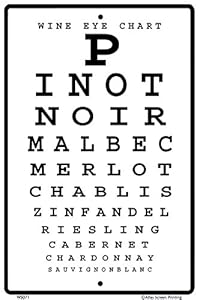
With a full time job at Wine Enthusiast and at the time having a 3 and 1 year old at home, I probably should have had my head examined. But having completed a Masters in Elementary Education program in my younger years, and more importantly having this deep rooted passion for wine, I was infinitely intrigued to see what all the hype was behind the Level 4 Diploma. There are 6 units to the program, each with its own exam. In order to complete the program you must pass all 6 within a 3 year time frame, and every one of the tests at this level makes the Advanced test seem like taking an eye Image result for wine eye chartexam with a magnifying glass. There are separate Units for Sparkling Wine, Fortified Wine, Spirits, Wine Production, The Business of Wine and the Granddaddy of them all… Unit 3 – Light Wine. ‘Light’ is a complete oxymoron here as this makes up half of the program and is the heaviest of all in terms of information, tasting and time expended. The WSET uses the term Light Wine, but it is synonymous with ‘still wine’, so this section covers every region in the wine producing world and every wine that comes out of those regions…literally.

I won’t go into the gory details of what is entailed in terms of studying… but let’s just say that my alarm was set for 4:30 every morning and my home, car and office were all decorated with homemade wine flash cards. Not to mention the inordinate amount of blind tastings (not drinking mind you) that my poor wife had to administer late into the night to train all the senses. So after passing a majority of the other units and heading into my third year of the program, it was time to take on Goliath. Who would have thought there was so much to know about wine?!? How many hectares of vineyards are planted in Valais? What grapes are used in the Nagy Somlo region of Hungary? At what time did they pick the grapes for the 1973 Chateau Montelena award winning Chard? What was the name of the third child of the Chateau Margaux winemaker in 1982? That sort of thing.

The Unit 3 exam is a 12 wine blind tasting followed by an extensive written section.  The WSET’s goal is to see if you are able to identify specific characteristics in wine, connecting them to particular grapes and regions, judging quality and ageability while defining the wine using the their ‘tasting grid’. A major benefit of the WSET model is the credit awarded by properly describing the wine characteristics. So even if you are incorrect in identifying the grape and/or region, if your description grooves with the majority of WSET examiners grading your exam you still have a shot at earning enough marks to pass.

After months and months of blind tasting and sleeping with the Oxford Companion to Wine under my pillow praying for some form of osmosis, the day had finally arrived. The first flight was to examine 3 wines all produced from the same grape variety. In front of me sat 3 lemon colored wines with varying intensity, so I started going through the tasting grid trying not to jump to any conclusions (which is easier said than done). I detected grapefruit and some grassyImage result for grapefruit and lemongrass notes on the first wine, so I ignored the grid as clearly these were all Sauvignon Blanc. Luckily, my snap judgement was correct as all 3 wines were indeed produced from Sauvignon Blanc. Of course, you do not find out results until about 3 months after the fact, leaving around 90 days to crucify myself for falling into the most obvious blind tasting pitfall. But the grapefruit don’t lie… most of the time.

The next 3 wines all were produced in the same country. As I sniffed the first white wine, a hint of honey emerged over the apple and pear fruit core…obviously Chenin. Having already hastily predetermined the grape variety I moved down the line to the light red wine which emitted pretty aromas of red cherry, strawberry and a black pepper spice, so this had to be Pinot. My brain was racing trying to connect the dots. Chenin runs rampant in the Loire valley and the Pinot had Burgundy written all over it…France it is. The last sample was a sweet style dessert wine with quite a distinctive honeysuckle aroma, but it didn’t have that Sauternes-like character. It must be a late harvest Chenin from Bonnezeaux or somewhere in the Loire. Or could this be one of those trick tasting flights? South Africa produces plenty of Chenin and some Pinot, but this Pinot didn’t have those classic South African earthy undertones, and it felt like a cooler climate style of Chenin… so it simply HAD to be from the Loire.

Related imageOr, not so much… the first wine wasn’t even Chenin. It was a Kabinett Riesling from GERMANY! Both wines can have apple and pear fruit with a slight honey note as well, which is exactly why you don’t jump to conclusions. The red wine was in fact Pinot, but Spätburgunder would have been more appropriate in this case. And of course, the final wine was not an obscure late harvest Chenin, but an obvious Auslese Riesling.
In a word…FAIL!

The next flight of 3 needed to be placed in a ‘good, better, best’ order with specific reasons as to why. Moments after the wines were poured the entire room filled up with black fruit, smoke and spice… blatantly Syrah. However there was some clear evidence to back up my impulsive guess as all the wines had dark berry fruit with either sweet spices, smoked meat or olive tapenade. I had them all pegged as Northern Rhone wines, and while they turned out to be fairly high quality Australian Shiraz with some age on them, I felt like I nailed that section which provided a much needed boost of confidence going into the final flight.

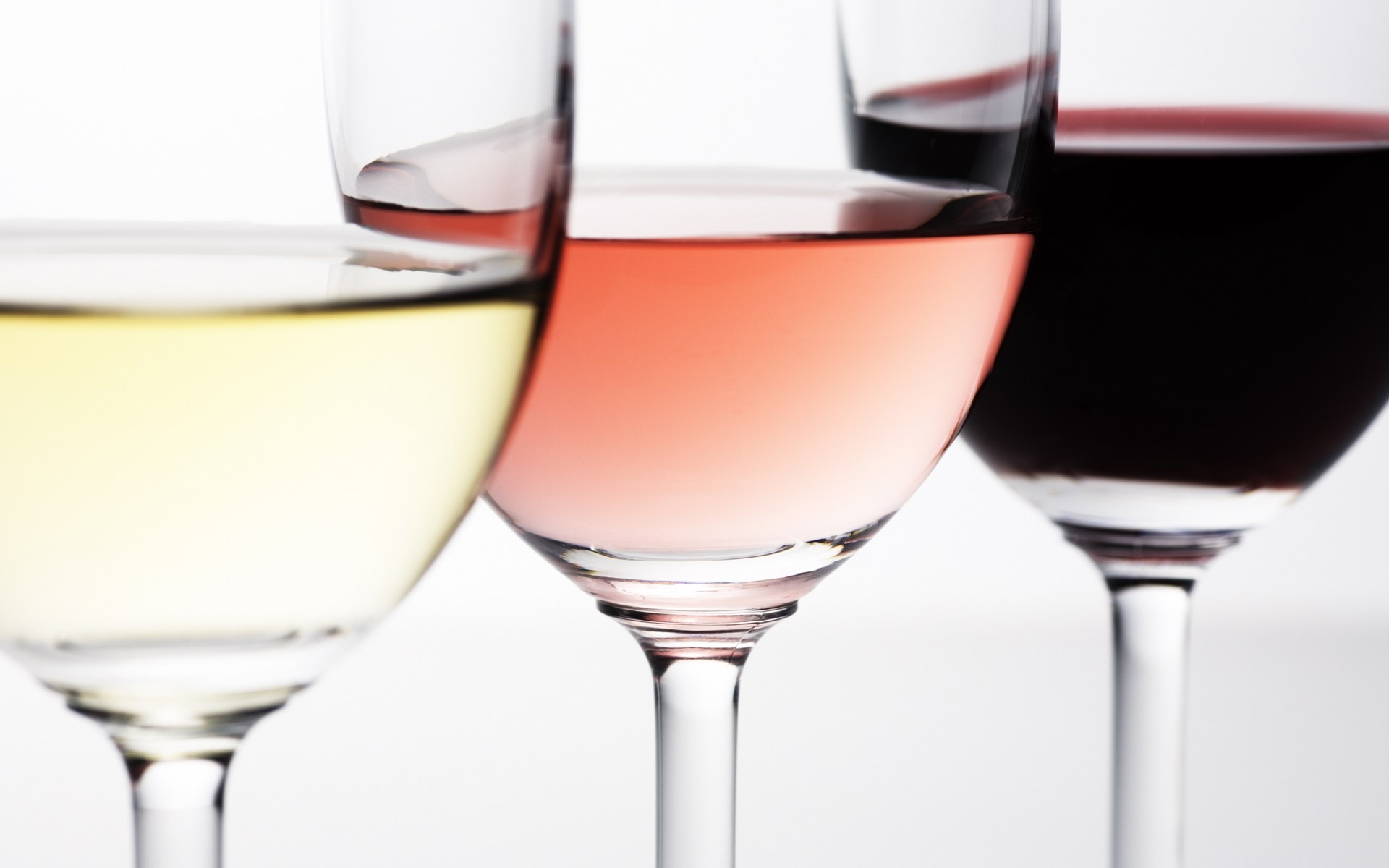
The final 3 wines for the exam were a random sampling of any wine from anywhere. In front of me stood a white, rosé and red wine looking like Mariano Rivera at the bottom of the 9th ready to take me down. Image result for white rose and red wineThe white had a lovely nose of green apple, white flowers with just a touch of lemon peel.  WIth its high, crisp acidity, this one really felt like a dry Riesling.  It ended up being a dry, delicate Torrontes (which can carry Riesling character) but I was positive on my call so I was feeling strong heading into the Rosé. Fresh strawberry and cherry fruit, a little rose petal note and wonderfully bright acidity. I remember thinking to myself: ‘If this isn’t a Cotes de Provence Rosé than I simply have no idea what the hell I am doing’. Luckily, that is exactly what it was.

Having believed I was 2 for 2 so far, I was feeling like Bacchus himself going into wine number 3. I got within about 3 inches of the glass and that was all I needed. I tried to fight off those jump to conclusion demons, but how could it be anything else?! It was deep ruby in color exuding intense aromas of black cherry, cassis, vanilla and hints of eucalyptus with opulent fruit on the palate, high tannins and a long, dry finish. I figured the WSET took pity on us and finished things off with a lay-up… a high quality Napa Cab. But of course, the conclusion-jump once again landed me in the muck. This dead ringer for a Napa Cab was in fact a new world style Gran Reserva Rioja. But, I must have nailed just about every note in this section as I miraculously Passed with Merit on the final 3 wines.

Image result for blind wine tasting

With the morning 2.5 hour tasting exam in the books, it was time for the written theory section for the final 3 hours after a much needed lunch break. I would have preferred the order reversed, as all of that tasting (even though you’re spitting) does take a toll on the mind and body. But nonetheless, it was game time.  5 of the possible 7 essay questions had to be answered with a certain amount of marks to earn a pass. I won’t bore you with the details of this section, but let’s just say I am thankful that I committed just about the entire Oxford Companion to Wine to memory, as there were some ridiculously obscure questions on regions, grapes, events and wine styles for sure. And trying to beat the clock for this part of the exam was even more challenging than for the blind tasting.

Turns out Tom Petty was right… the only thing more stressful than taking the exam is the three month waiting period to find out the results. After months and months of nail biting, self-crucifying and continued wine tasting in anticipation (without spitting this time), the irrevocable results had finally arrived. I braced myself for the worst and prayed that I passed just one of the two sections. I hesitantly opened up the envelope with my heart racing in full panic mode. I peaked just barely enough to see the results and was elated to learn that I passed BOTH the tasting and written parts of the exam. With a giant fist pump and a roar of ‘Hells Yeah!!’ that could be heard all around my block, it was over. Mission… accomplished.

The International Wine Center Announces the 22nd Graduating Class