Poor Wine Vintages Can Make For Excellent Drinking Opportunities

As featured on Wine Express Expressions Blog
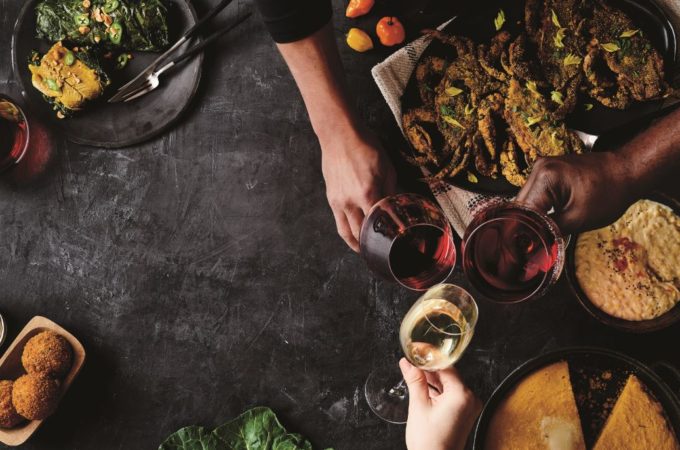
If you are like most wine collectors and consumers, you tend to be a little skeptical and even pessimistic about purchasing wines from those less than optimal vintages. And why wouldn’t you… poor wine vintages seem to be all you hear about, maybe even more so than when there is a fabulous vintage. When the growing season is cold, damp or experiences late season rain or hail, it can certainly affect the grapes grown that year. But does that mean that all wine from a less than stellar vintage is going to be subpar? Absolutely… not! 

The difference is all about development. In the best of vintages, the fruit become fully concentrated in the grapes which leads to higher sugar levels. These wines will typically have a higher alcohol, as there is more sugar for the yeasts to consume during fermentation leading to the byproduct of alcohol. And because the fruit is so concentrated, they will tend to lead to denser wines. Tannins also develop more intensely leading to darker colored wines (for reds) as well as ones with a bit more backbone to them. And in those optimal vintages where there is enough of a temperature range, so the mornings and nights are much cooler than the days are, the acids will develop properly as well. In a nutshell, great vintages lead to wines with higher levels of all the structural components. 

On the contrary, cool and wet vintages can lead to grapes that experience a slower, or potentially lack of, development. Fruits may not reach their full concentration levels and tannins may get stuck in sort of a ‘green’ level. Less fruit will also lead to a bit lower alcohol levels, while the acidity in can still remain high, as cooler climate wine regions are often known for their bright and refreshing high acid wines. But, just because all of these structural levels are not ramped up, does not necessarily mean that the wine it leads to will be of poor quality… it just means that it probably will not age as well as those better vintage wines will. 

Don’t get me wrong, there is a lot of not so great wine from poor vintages… no doubt about it. But the better wine producers know exactly how to take the fruit that is provided from that harvest and coax out the best qualities from those grapes to craft the best wine possible from what mother nature has provided. Not only that, sometimes waiting for these fabulous wines from the best vintages to age and evolve until they reach their peak can be a little… well… exhausting. Additionally, these off vintage wines can offer a serious value to their prime vintage counterparts. There are some folks that would rather not wait to enjoy a recently purchased wine, and some that simply may not have enough time left to enjoy the results of a perfectly aged 2009 Bordeaux or 2007 Napa Cab.  

I had my family over for a pre Thanksgiving meal last year, since we would not be spending the holiday together. I had a bottle of 2014 Domaine du Pegau Chateauneuf du Pape in the cellar for a few years and was waiting for a Thanksgiving bird and the right company to pop it open. 2014 was the epitome of a poor vintage, sandwiched between some fabulous ones in the Southern Rhone.  But with Pegau being one of the best and most consistent CDP producers in the region, I was willing to take my chances. While the wine was certainly on the lean and delicate side, it was drinking just beautifully in its infancy! Lovely black fruits, black pepper spice and dried herb aromas gave way to this amazing marzipan and olive tamponade character on the palate with a finish that I can still taste if I think about it. The acidity kept the structure in perfect balance while the tannins were smooth as silk making a perfect pairing for the bird and all the trimmings.   

Would this wine have aged much longer? Probably not without losing too much of the fruit, so we caught it right in its prime. Most importantly I was able to share it with my parents who both really enjoy a great Chateauneuf du Pape. I had no regrets about opening this wine early since it was with people who really appreciated it. That right there, is reason enough to grab some great wines from not so great vintages and open up something special with those that you love while you still can!

How Long Should I Let My Wine Breathe?

As Featured by Wine Enthusiast

BY MARSHALL TILDEN IIIWoman opening bottle of wine next to man in kitchen

Getty

It’s Friday, the end of a long week. You’ve decided to open a bottle to celebrate. Perhaps it’s an older Bordeaux, or a young, vibrant Austrian Grüner Veltliner. You pour a splash in the glass and give it a sniff. A wave of disappointment crashes down around you as the wine smells like burnt matches and rotten eggs.

Fear not. A little aeration may be all you need.

First, let’s get this out of the way. Not all wine needs to be decanted. Decanting is necessary mostly for younger red wines that need maximum aeration, or for older wines to help remove sediment.

However, just about every wine will improve with some aeration, whether in a decanter or through a quick swirl in the glass. So how much time does a wine need to breathe? And how long should you swirl before your wrist feels like it’s going to fall off? The answer is…it depends.Aerator vs Decanter: Which is Better?

If you have a young, opulent and highly tannic Rhône red, it may need to decant at least an hour to soften tannins and round out any hard edges. This applies to most wines with similar structure and concentration. But, for an easy-drinking New Zealand Sauvignon Blanc, something that is fresh, zippy and full of aromatic citrus fruit, an hour of breathing may dull the qualities that give the wine its character.

However, a few swirls and a bit of time to breathe in the glass will usually help reductive or sulfur-related aromas blow off the wine. Here are a few tips to help decide how long a wine should breathe so each pour will shine.

Even at home, pour a sample before a full glass

Just like a sommelier at a restaurant, pour a small sample to test the nose and palate before you commit to a full glass. Some wines may have some reductive or sulfur notes, which come across most notably as aromas of rubber, burnt matches or rotten eggs. Often, these aromas will dissipate after 10–15 minutes. You may opt for a decanter, but it could be simpler to pour a small glass and swirl away to see if those odors fade.

Red wine being poured into decanter
Getty

Young, tannic reds need oxygen to soften tannins

Whether it’s a young Napa Cab, an Argentine Malbec or Aussie Shiraz, these wines typically need a dose of oxygen to smooth out any roughness and soften tannins. Of course, if you enjoy the punch that these wines can pack straight out of the bottle, there’s no need to delay. Allowing them to breathe too long can overly soften their opulent nature.

Still, most young, tannic reds can benefit from some aggressive swirling and 10–20 minutes in the glass. This will help open up big, brooding wines and allow for overpowering oaky notes to fully integrate with the fruit and often high alcohol levels.

Happy friends having fun at dinner party. Bearded man opening wine bottle with bottle opener. Credit Getty
Getty

Older vintage wines may be ready right out of the bottle

There’s a common misconception that older wines all require several hours of decanting. The truth is, even several minutes in a decanter may overly oxidize an older, delicate wine. It can obliterate the drinking window to just a few short seconds.

Yet, there are longer-aged wines, usually those that started with high levels of tannins, alcohol content and fruit concentration, that will benefit from several minutes in the glass to open completely. These could also potentially benefit from decanting.What are Tannins, Really?

The rule of thumb for older wines is that the lighter and older a wine, the less aeration it will need. When in doubt, pour a small sample into a glass and examine it. Red wines tend to lose color with age, meaning the lighter in color the wine appears, the less aeration it will likely need. An inky, bright ruby, opaque older wine will require more oxygenation. The opposite is true for white wines, which gain color as they age.

A juror swirls a glass of wine during the competition 'Best of Gold' in Wuerzburg, Germany, 11 May 2015. A jury elects the best wines from Franconia in the competition. Photo: Karl-Josef Hildenbrand /dpa | usage worldwide (Photo by Karl-Josef Hildenbrand/picture alliance via Getty Images)
Getty

White and sparkling wines do not typically need aeration

That’s not to say all whites and sparkling wines can’t benefit from a bit of oxygen. If any reductive notes are detected in a white wine, by all means give it some air and possibly 10–15 minutes in a decanter. The same is true for those rich, deep gold whites that may need a little bit of room to stretch their legs. But the vast majority of these wines come out of the bottle ready to rock.

If you pour a sample and the wine is slightly muted or not as aromatic as expected, add a bit more to your glass and swirl away. The problem will usually solve itself.

Enjoy the process

One of the best parts about tasting wine is to see how it develops from the time it’s opened until the last sip. Nothing is more rewarding than when the final taste from a highly anticipated wine is the best of the bottle. It allows you to fully appreciate the journey that it took to get there. So, while aerating and decanting some wines will certainly help bring them to their ideal drinking window, to taste the natural evolution of the wine after it’s opened is its own great pleasure.Published on June 8, 2021